


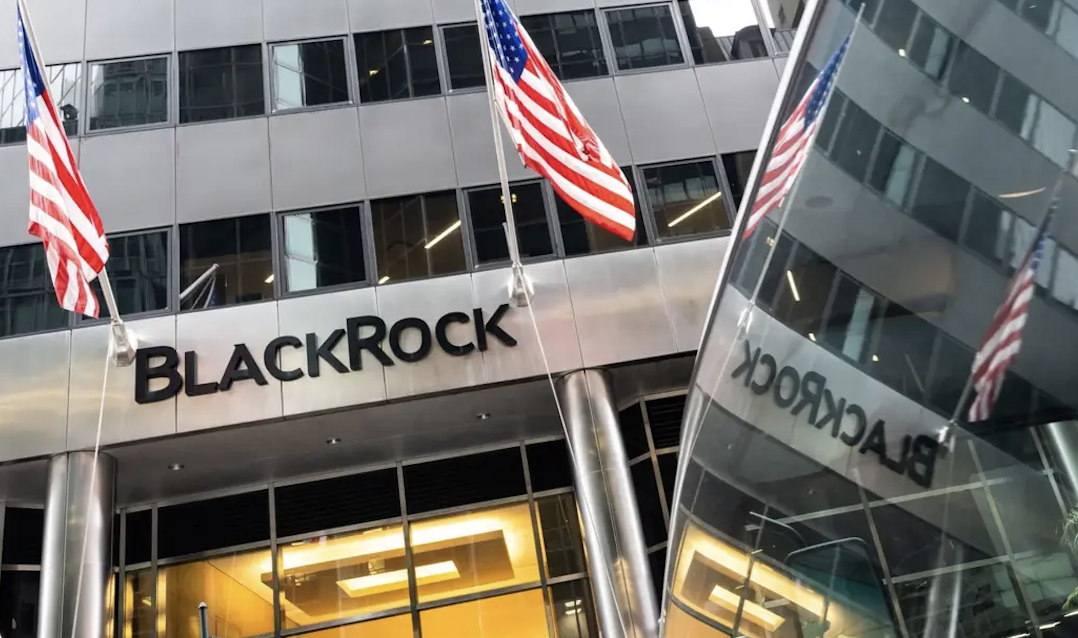
“BlackRock” Dünyayı Yöneten Güç - Küresel Kapitalizminin Kurumsal Temsilcisi
&
“BlackRock” The Power That Governs the World – The Institutional Representative of Global Capitalism
(İki Dilde Yazılmıştır)
İnsanların çoğu ülkeleri ve dünyayı birileri yönetiyor fikrindeler. Bence bu fikirleri doğru denecek kadar gerçek…
Bu makale, dünyanın en büyük varlık yönetim şirketi BlackRock'ın tarihsel gelişimini, ekonomik büyüklüğünü ve küresel finansal sistem içindeki konumunu yapısal bir perspektiften inceleyecek. 1988 yılında kurulan şirket, özellikle 2008 Küresel Finans Krizi sonrasında üstlendiği danışmanlık rolleri ve Barclays Global Investors satın alımıyla sistemik öneme sahip bir aktör haline gelmiştir. Yaklaşık 9-10 trilyon dolarlık varlık yönetimiyle birçok ülkenin gayrisafi yurtiçi hasılasından büyük bir ekonomiye hükmeden BlackRock, yalnızca pasif bir yatırım aracı değil; Aladdin risk yönetim sistemiyle finansal altyapının teknik sağlayıcısı ve küresel şirketlerdeki hissedarlık pozisyonlarıyla kurumsal yönetimin dolaylı belirleyicisi konumundadır. BlackRock'u "devlet üstü egemen güç" olarak niteleyen popüler söylemlerin aksine, onu neoliberal küresel sistemin ürettiği ve sistemi işleten kurumsal bir uzantı olarak konumlandırmakta; asıl meselenin tekil aktörlerden ziyade finansal gücün yoğunlaşmasının uluslararası sistemde rekabet, demokrasi ve egemenlik kavramlarında yarattığı dönüşüm olduğunu savunmaktadır. Ama, günümüz dünyasında BlackRock "devlet üstü egemen güç" tende yukarı bir seviyededir…
Ekonomi-Politiğin Değişen Aktörleri
Dünya tarihindeki savaşlar, krizler ve siyasal dönüşümler incelendiğinde, ekonomik faktörlerin belirleyici rolü dikkat çekmektedir. Güçlü ekonomik altyapıya sahip devletlerin yalnızca askeri değil; kültürel, finansal ve ideolojik düzeyde de üstünlük kurdukları gözlemlenir. Bu bağlamda “hegemonya”, yalnızca toprak veya askeri üstünlük değil; üretim araçları, finansal akışlar, teknoloji, medya ve norm üretme kapasitesi üzerinden şekillenen çok katmanlı bir güç formudur.
1970'lerden itibaren hız kazanan finansallaşma süreci, bu güç formunun aktörlerini de dönüştürmüştür. Üretim ekonomisinin önüne geçen sermaye hareketleri, ulus-devletlerin ekonomik egemenlik kapasitesini sınırlandırırken; küresel yatırım fonları ve varlık yönetim şirketlerini sistemin merkezine yerleştirmiştir. Bu yeni aktörlerin en dikkat çekicilerinden biri, şüphesiz BlackRock'tır. Bu makalemde, BlackRock örneği üzerinden ekonomik güç yoğunlaşmasının jeopolitik sonuçlarını değerlendirmeyi amaçlamaktadır.
Kuruluş ve Tarihsel Evrim: Bir Finansal Altyapı Sağlayıcısının Doğuşu
BlackRock, 1988 yılında Larry Fink ve yedi ortağı tarafından New York’ta kurulduğunda, dönemin finansal mimarisindeki bir boşluğu doldurmayı hedefliyordu. 1980'lerde yaşanan tahvil piyasası dalgalanmaları, finansal kurumların sofistike risk analizi sistemlerine olan ihtiyacını keskin bir şekilde artırmıştı. BlackRock, sabit getirili menkul kıymetler piyasasında risk yönetimine dayalı kurumsal yatırım hizmeti sunma vizyonuyla bu ihtiyaca yanıt veren teknoloji odaklı bir finansal yapı olarak doğdu.
Şirketin kaderini değiştiren dönüm noktası, 1990'lı yıllarda geliştirilen Aladdin (Asset, Liability and Debt and Derivative Investment Network) sistemi oldu. Bu platform, yalnızca BlackRock'ın kendi portföylerini yönetmekle kalmıyor; portföy risk analizi, stres testi ve varlık modellemesi yaparak zamanla diğer büyük finansal kurumların da risk yönetim altyapısını oluşturmaya başlıyordu. Böylece BlackRock, bir yatırım şirketi olmanın ötesine geçerek küresel finansal sistemin teknik omurgasında yer alan bir "finansal altyapı sağlayıcısı" haline geldi.
2008 Küresel Finans Krizi, şirketin sistem içindeki rolünü kurumsallaştıran ve pekiştiren bir dönemeç oldu. Krizin kaotik ortamında, ABD Hazine Bakanlığı ve Merkez Bankası (Federal Reserve), batık varlıkların (özellikle Bear Stearns ve AIG'nin sorunlu varlıklarının) yönetilmesi ve tasfiyesi konusunda BlackRock'a danışmanlık rolü verdi. Bu görev, şirketin kurumsal itibarını katlanarak artırırken, kamu otoritesi ile iç içe geçmiş sistemik konumunu da sağlamlaştırdı. 2009 yılında Barclays Global Investors'ın (BGI) satın alınması ise BlackRock'u dünyanın en büyük varlık yöneticisi koltuğuna oturttu. Bu satın alma, dünyanın önde gelen ETF (borsa yatırım fonu) sağlayıcısı iShares'i de BlackRock bünyesine katarak şirketin bireysel yatırımcılara ve pasif yatırım stratejilerine erişimini devasa boyutlara ulaştırdı.
Ekonomik Gücün Boyutları: Varlık Büyüklüğü ve Sermaye Yoğunlaşması
BlackRock günümüzde (yıllık dalgalanmalarla birlikte) yaklaşık 9-10 trilyon dolarlık varlığı yönetmektedir. Bu rakam, Almanya, Japonya veya Birleşik Krallık gibi dünyanın en büyük ekonomilerinin yıllık gayrisafi yurtiçi hasılasından daha büyük bir büyüklüğe işaret eder. Kaç Türkiye eder bir de siz düşünün.
Bu ekonomik kapasite, üç ana kanaldan beslenir:
Kurumsal yatırım fonları: Dünyanın dört bir yanındaki emeklilik fonları, sigorta şirketleri ve devlet varlık fonları.
Bireysel yatırım fonları ve ETF'ler: Özellikle iShares platformu aracılığıyla milyonlarca bireysel yatırımcının tasarrufları.
Alternatif yatırımlar: Özel sermaye, altyapı projeleri ve gayrimenkul yatırımları.
Şirketin gelir modeli, yönettiği bu devasa varlıklar üzerinden aldığı nispeten küçük yönetim ücretlerine (genellikle %0.01 ile %0.50 arasında) dayanır. Bu durum, BlackRock’un doğrudan üretim yapmayan; fakat küresel sermayenin hangi sektörlere, hangi şirketlere ve hangi coğrafyalara akacağını yönlendiren kritik bir aktör olduğu anlamına gelir. Ancak burada önemli bir analitik ayrım yapmak gerekir: BlackRock’un yönettiği sermayenin büyük kısmı kendisine ait değildir. Şirket, esasen bir "vekil" olarak, milyonlarca yatırımcı adına sermaye tahsis kararları almaktadır. Fakat bu vekil konumu, aldığı kararların (örneğin, hangi şirketin yönetim kuruluna destek vereceği, hangi çevresel veya sosyal politikaları destekleyeceği) küresel ekonomi üzerindeki belirleyici etkisini ortadan kaldırmaz.
Küresel Şirketlerde Ortak Sahiplik (Common Ownership) ve Dolaylı Etki
BlackRock’un gücünün en somut görünümlerinden biri, dünyanın en büyük halka açık şirketlerindeki hissedarlık pozisyonudur. Apple, Microsoft, ExxonMobil, JPMorgan Chase, Alphabet (Google'ın çatı şirketi) gibi teknoloji, enerji ve finansın küresel liderlerinde genellikle %3-8 bandında hisseye sahiptir. Tek başına bu oranlar, şirket genel kurullarında önemli bir oy gücü anlamına gelir. Ancak asıl etki, Vanguard ve State Street gibi diğer dev varlık yönetim şirketleriyle birlikte hareket edildiğinde ortaya çıkar.
Bu üç şirket (genellikle "Üç Büyükler" olarak anılırlar), çoğu büyük şirketin en büyük üç hissedarı konumundadır. Bu durum, akademik literatürde "common ownership" (ortak sahiplik) olarak adlandırılan bir olguya işaret eder. Aynı yatırım fonlarının bir sektördeki rakip şirketlerin hepsinde birden büyük hissedar olması, bu fonların şirketlerin birbiriyle kıyasıya rekabet etmesini teşvik etmekten ziyade, sektörün genel karlılığını ve istikrarını önceleyen stratejiler izlemesine yol açabilir. Bu durumun piyasa rekabeti, fiyatlama dinamikleri ve inovasyon üzerindeki etkileri, iktisatçılar ve hukukçular arasında hararetli tartışmalara konu olmaktadır.
BlackRock'ın etkisi, oy verme davranışının ötesinde, norm belirleme kapasitesiyle de kendini gösterir. Şirketin benimsediği ve yatırım yaptığı şirketlerden talep ettiği ESG (Çevresel, Sosyal ve Yönetişim) kriterleri, küresel kurumsal davranış standartlarını şekillendiren güçlü bir araç haline gelmiştir. Hangi şirketlerin "iyi yönetildiğine" veya "sürdürülebilir" olduğuna dair piyasa normlarını tanımlama gücü, BlackRock'a klasik hissedarlığın ötesinde bir nüfuz alanı sağlamaktadır.
Finansal Sistem İçinde İkili Etki: Bankalar ve Kamu Otoritesi
BlackRock'un finansal sistem üzerindeki etkisi iki düzeyde gerçekleşir:
Hissedarlık Yoluyla Etki: ABD ve Avrupa’nın büyük bankalarında (JPMorgan Chase, Bank of America, vb.) önemli hisse oranlarına sahip olması, yönetim kurulu seçimleri ve stratejik kararlar üzerinde dolaylı ama sürekli bir etki yaratır.
Risk Yönetim Altyapısı: Aladdin sistemi, birçok küresel banka, sigorta şirketi, emeklilik fonu ve hatta merkez bankası tarafından portföy risklerini analiz etmek, stres testleri yapmak ve varlık fiyatlamak için kullanılmaktadır. Bu durum, BlackRock'u finansal sistemin adeta "işletim sistemi" konumuna getirir.
2008 krizi sonrasında Avrupa Merkez Bankası (ECB) ve diğer kamu kurumlarıyla kurduğu danışmanlık ilişkileri, şirketin "sistemik öneme sahip finansal aktör" olarak değerlendirilmesine yol açmıştır. Kriz anlarında hem kamu otoritelerine danışmanlık yapan hem de krizin merkezindeki özel kurumların risklerini yöneten bir konumda olması, beraberinde ciddi çıkar çatışması ve etik tartışmalarını da getirmiştir.
Eleştiriler, Güç Tartışması ve Sistemsel Gerilim
BlackRock'un devasa büyüklüğü, onu küresel güç tartışmalarının merkezine yerleştirmiştir. Eleştiriler üç ana başlıkta toplanabilir:
Aşırı Sermaye Yoğunlaşması ve Demokratik Denetim Sorunu: Trilyonlarca dolarlık sermayeyi yöneten bir kurumun kararlarının, herhangi bir demokratik hesap verebilirlik mekanizmasına tabi olmaması, küresel bir yönetişim açığı olarak görülmektedir.
Şirket Yönetimleri Üzerindeki Dolaylı Etki: Ortak sahiplik yoluyla rekabeti azaltıcı etkiler yaratabileceği ve yönetim kurulları üzerinde orantısız bir nüfuz kurduğu iddia edilmektedir.
Sistemik Risk Potansiyeli: Bu kadar büyük ve birbirine bağlı bir kurumun herhangi bir operasyonel hatasının veya siber saldırıya uğramasının, tüm küresel finans sistemini felç edebilecek bir domino etkisi yaratabileceği endişesi dile getirilmektedir.
Bununla birlikte, analitik bir perspektiften BlackRock'u "dünya üstü egemen bir güç" veya gizli bir "dünya hükümeti" olarak tanımlamak yerine, küresel finans kapitalizminin yoğunlaşmış bir kurumsal temsilcisi olarak görmek daha tutarlıdır diyenler vardır. Ama gerçek olan tam tersidir. BlackRock'un doğrudan yasa yapma yetkisi yoktur, yasayı yapacakları satın alır, egemenlik kullanmaz ve ordusu yoktur; ordusu olan ülkelerin ekonomisini yönetir, istediğini yaptırır diyenler vardır. Ancak içinde bulunduğu neoliberal küresel sistemin kuralları dahilinde, sermaye tahsis gücü, risk yönetim altyapısı ve norm belirleme kapasitesiyle ekonomik ve siyasi yönelimleri derinden etkileyebilir.
Bu bağlamda asıl mesele, "BlackRock dünyayı mı yönetiyor?" sorusundan ziyade, "Bu ölçekteki bir finansal yoğunlaşma, uluslararası sistemde rekabeti, demokrasiyi ve ulusal egemenlik kavramlarını nasıl dönüştürüyor?" sorusudur. Tarihsel örüntüye bakıldığında, ekonomik gücün bu denli merkezileşmesi, kaçınılmaz olarak sistemik gerilimleri de beraberinde getirir. Yükselen ekonomiler (örneğin Çin) bu finansal mimariye entegre olmaya çalışırken, mevcut hegemonik güçler (ABD ve müttefikleri) sistemi kendi avantajlarına göre yeniden üretmeye çalışmaktadır. Bu gerilim, ticaret savaşları, teknoloji transferi kısıtlamaları ve finansal yaptırımlar gibi "hibrit güç" araçlarıyla günümüz jeopolitiğinin temel belirleyicilerinden biri haline gelmiştir.
Yapısal Gerilimin Odağında Bir Aktör
BlackRock'un tarihsel yükselişi, finansallaşma çağının tipik bir örneğidir. Şirket, üretim ekonomisinden ziyade sermaye akışlarını yöneterek, riski modelleyerek ve kurumsal davranış normları belirleyerek güç kazanmıştır. Trilyonlarca dolarlık varlık büyüklüğü, küresel şirketlerdeki hissedarlık yapısı ve finansal sistemin teknik altyapısındaki merkezi konumu, onu dünya ekonomisinin en önemli aktörlerinden biri haline getirmiştir. Para güç demektir.
Son tahlilde mesele, “kim egemen?” sorusundan ziyade, “ekonomik gücün yoğunlaşması hangi yapısal sonuçları doğuruyor?” sorusudur. BlackRock, bu sorunun hem bir parçası hem de bir sonucudur. Ne tamamen bağımsız bir küresel güç merkezi, ne de diğerlerinden farksız bir finansal aracı kurumdur. O, küresel finans kapitalizminin ulaştığı aşamada, sistemin hem işleyişini sağlayan hem de onun yarattığı yapısal gerilimlerin odağında yer alan kurumsal bir tezahürdür. Bu nedenle BlackRock'u anlamak, 21. yüzyılın küresel jeopolitiği, silahlanmayı, ekonomi-politiğini anlamak için zorunlu bir uğraktır.
.
Emrah Bekçi, dikGAZETE.com
-Yazar-
Kaynakça (Önerilen Kaynaklar)
Tooze, A. (2018). Crashed: How a Decade of Financial Crises Changed the World. Viking.
Braun, B. (2021). "Fueling Financialization: The Political Economy of Non-Bank Financial Intermediation". Socio-Economic Review.
Fichtner, J., Heemskerk, E. M., & Garcia-Bernardo, J. (2017). "Hidden power of the Big Three? Passive index funds, re-concentration of corporate ownership, and new financial risk". Business and Politics, 19(2), 298-326.
BlackRock Inc. Yıllık Raporlar (Annual Reports) 2010-2023.
Amerikan Merkez Bankası (Federal Reserve) ve Avrupa Merkez Bankası (ECB) Finansal İstikrar Raporları.
*
EN
“BlackRock” The Power That Governs the World – The Institutional Representative of Global Capitalism
BlackRock: Historical Development, Financial Power, and Its Position in the Global Capital Structure
Most people believe that someone is running the countries and the world. I think these ideas are true enough to be considered reality…
This article will examine the historical development, economic size, and position within the global financial system of BlackRock, the world's largest asset management company, from a structural perspective. Founded in 1988, the company became a systemically important actor, particularly after the 2008 Global Financial Crisis, due to the advisory roles it undertook and its acquisition of Barclays Global Investors. Managing approximately $9-10 trillion in assets—an economy larger than the gross domestic product of many countries—BlackRock is not merely a passive investment vehicle; it is the technical provider of financial infrastructure through its Aladdin risk management system and an indirect determinant of corporate governance through its shareholder positions in global companies. Contrary to popular discourse that characterizes BlackRock as a "supra-national sovereign power," some position it as an institutional extension produced by and operating the neoliberal global system, arguing that the main issue is not individual actors but rather the transformation that the concentration of financial power creates in the concepts of competition, democracy, and sovereignty within the international system. However, in today's world, BlackRock is at a level above and beyond a "supra-national sovereign power."
The Changing Actors of Political Economy
When examining wars, crises, and political transformations throughout world history, the decisive role of economic factors is striking. It is observed that states with strong economic foundations establish supremacy not only militarily but also culturally, financially, and ideologically. In this context, "hegemony" is a multi-layered form of power shaped not only by territorial or military superiority but also by the means of production, financial flows, technology, media, and the capacity to produce norms.
The acceleration of financialization since the 1970s has transformed the actors of this power form. Capital movements, surpassing the production economy, have limited the economic sovereignty capacity of nation-states while placing global investment funds and asset management companies at the center of the system. One of the most notable of these new actors is undoubtedly BlackRock. This article aims to evaluate the geopolitical consequences of economic power concentration through the example of BlackRock.
Foundation and Historical Evolution: The Birth of a Financial Infrastructure Provider
When BlackRock was founded in New York in 1988 by Larry Fink and seven partners, it aimed to fill a gap in the financial architecture of the time. The volatility in the bond market during the 1980s had sharply increased the need for sophisticated risk analysis systems among financial institutions. BlackRock was born as a technology-oriented financial structure responding to this need, with the vision of providing institutional investment services based on risk management in the fixed-income securities market.
The turning point that changed the company's fate was the Aladdin (Asset, Liability and Debt and Derivative Investment Network) system developed in the 1990s. This platform not only managed BlackRock's own portfolios but also began to form the risk management infrastructure for other large financial institutions over time by conducting portfolio risk analysis, stress testing, and asset modeling. Thus, BlackRock transcended being just an investment company and became a "financial infrastructure provider" situated within the technical backbone of the global financial system.
The 2008 Global Financial Crisis was a turning point that institutionalized and consolidated the company's role within the system. In the chaotic environment of the crisis, the U.S. Department of the Treasury and the Central Bank (Federal Reserve) gave BlackRock an advisory role in managing and liquidating troubled assets (particularly those of Bear Stearns and AIG). This task exponentially increased the company's institutional reputation while solidifying its systemic position intertwined with public authority. The acquisition of Barclays Global Investors (BGI) in 2009 propelled BlackRock to the position of the world's largest asset manager. This acquisition brought the world's leading ETF (exchange-traded fund) provider, iShares, under the BlackRock umbrella, expanding the company's access to individual investors and passive investment strategies to enormous proportions.
Dimensions of Economic Power: Asset Size and Capital Concentration
Today, BlackRock manages approximately $9-10 trillion in assets (subject to annual fluctuations). This figure indicates a magnitude larger than the annual gross domestic product of the world's largest economies like Germany, Japan, or the United Kingdom. Consider how many Turkeys that equates to.
This economic capacity is fed by three main channels:
Institutional investment funds: Pension funds, insurance companies, and sovereign wealth funds from all around the world.
Retail investment funds and ETFs: Savings of millions of individual investors, particularly through the iShares platform.
Alternative investments: Private equity, infrastructure projects, and real estate investments.
The company's revenue model relies on relatively small management fees (typically between 0.01% and 0.50%) charged on these massive assets under management. This means BlackRock is a critical actor that does not engage directly in production but directs where global capital flows—to which sectors, companies, and geographies. However, an important analytical distinction must be made here: the majority of the capital BlackRock manages does not belong to it. The company acts essentially as an "agent," making capital allocation decisions on behalf of millions of investors. Yet, this agency position does not eliminate the decisive impact of its decisions (e.g., which company's board to support, which environmental or social policies to endorse) on the global economy.
Common Ownership and Indirect Influence in Global Corporations
One of the most concrete manifestations of BlackRock's power is its shareholder position in the world's largest publicly traded companies. It typically holds shares in the range of 3-8% in global leaders of technology, energy, and finance such as Apple, Microsoft, ExxonMobil, JPMorgan Chase, and Alphabet (Google's parent company). These percentages alone represent significant voting power at company general meetings. However, the real impact emerges when it acts in concert with other giant asset management companies like Vanguard and State Street.
These three companies (often referred to as the "Big Three") are among the top three shareholders in most major corporations. This points to a phenomenon in academic literature known as "common ownership." The fact that the same investment funds are major shareholders in all competing companies within a sector may lead these funds to prioritize strategies that enhance the overall profitability and stability of the sector, rather than encouraging fierce competition among the companies. The effects of this on market competition, pricing dynamics, and innovation are subjects of intense debate among economists and legal scholars.
BlackRock's influence also manifests through its capacity to set norms. The ESG (Environmental, Social, and Governance) criteria it adopts and demands from the companies it invests in have become a powerful tool shaping global corporate behavior standards. The power to define market norms regarding which companies are "well-governed" or "sustainable" provides BlackRock with a sphere of influence beyond classical shareholding.
Dual Influence Within the Financial System: Banks and Public Authority
BlackRock's influence on the financial system occurs on two levels:
Influence through Shareholding: Its significant shareholdings in major US and European banks (JPMorgan Chase, Bank of America, etc.) create an indirect but continuous influence on board elections and strategic decisions.
Risk Management Infrastructure: The Aladdin system is used by numerous global banks, insurance companies, pension funds, and even central banks to analyze portfolio risks, conduct stress tests, and price assets. This situation positions BlackRock as the veritable "operating system" of the financial world.
Its advisory relationships with the European Central Bank (ECB) and other public institutions after the 2008 crisis have led to the company being regarded as a "systemically important financial actor." Its position of advising public authorities while simultaneously managing the risks of private institutions at the heart of the crisis has brought with it serious conflicts of interest and ethical debates.
Criticism, Power Debate, and Systemic Tension
BlackRock's immense size has placed it at the center of global power debates. Criticisms can be grouped under three main headings:
Excessive Capital Concentration and the Problem of Democratic Oversight: The fact that decisions made by an institution managing trillions of dollars are not subject to any mechanism of democratic accountability is seen as a global governance gap.
Indirect Influence on Corporate Management: It is claimed that it could create anti-competitive effects through common ownership and wields disproportionate influence over corporate boards.
Systemic Risk Potential: Concerns are raised that any operational error or cyberattack on such a large and interconnected institution could create a domino effect capable of paralyzing the entire global financial system.
However, some argue that from an analytical perspective, it is more consistent to view BlackRock not as a "supra-national sovereign power" or a secret "world government," but as a concentrated institutional representative of global finance capitalism. But the reality is the exact opposite, say others. BlackRock does not have the direct power to make laws? It buys those who make the laws. It does not wield sovereignty? It doesn't have an army? It manages the economies of countries that do have armies and gets them to do what it wants, some say. Nevertheless, operating within the rules of the neoliberal global system it inhabits, it can profoundly influence economic and political orientations through its capital allocation power, risk management infrastructure, and norm-setting capacity.
In this context, the main issue is less the question "Does BlackRock rule the world?" and more "How does financial concentration on this scale transform competition, democracy, and concepts of national sovereignty in the international system?" Looking at historical patterns, such centralization of economic power inevitably brings systemic tensions. While rising economies (e.g., China) attempt to integrate into this financial architecture, existing hegemonic powers (the US and its allies) seek to reproduce the system to their advantage. This tension, manifested through "hybrid power" tools like trade wars, technology transfer restrictions, and financial sanctions, has become one of the fundamental determinants of contemporary geopolitics.
An Actor at the Center of Structural Tension
BlackRock's historical rise is a typical example of the age of financialization. The company has gained power not from the production economy, but by managing capital flows, modeling risk, and defining norms of corporate behavior. Its trillion-dollar asset size, shareholding structure in global companies, and central position in the technical infrastructure of the financial system make it one of the most significant actors in the world economy. Money is power.
Ultimately, the issue is less the question of "who is sovereign?" and more "what structural consequences does the concentration of economic power produce?" BlackRock is both a part of and a result of this question. It is neither a completely independent global power center nor a financial intermediary indistinguishable from others. It is an institutional manifestation situated at the center of the system's functioning and the structural tensions it creates, at the current stage of global finance capitalism. Therefore, understanding BlackRock is an essential prerequisite for understanding 21st-century global geopolitics, armament dynamics, and political economy.
.
Emrah Bekci, dikGAZETE.com
Bibliography (Suggested Sources)
Tooze, A. (2018). Crashed: How a Decade of Financial Crises Changed the World. Viking.
Braun, B. (2021). "Fueling Financialization: The Political Economy of Non-Bank Financial Intermediation". Socio-Economic Review.
Fichtner, J., Heemskerk, E. M., & Garcia-Bernardo, J. (2017). "Hidden power of the Big Three? Passive index funds, re-concentration of corporate ownership, and new financial risk". Business and Politics, 19(2), 298-326.
BlackRock Inc. Annual Reports (2010-2023).
US Federal Reserve and European Central Bank (ECB) Financial Stability Reports.